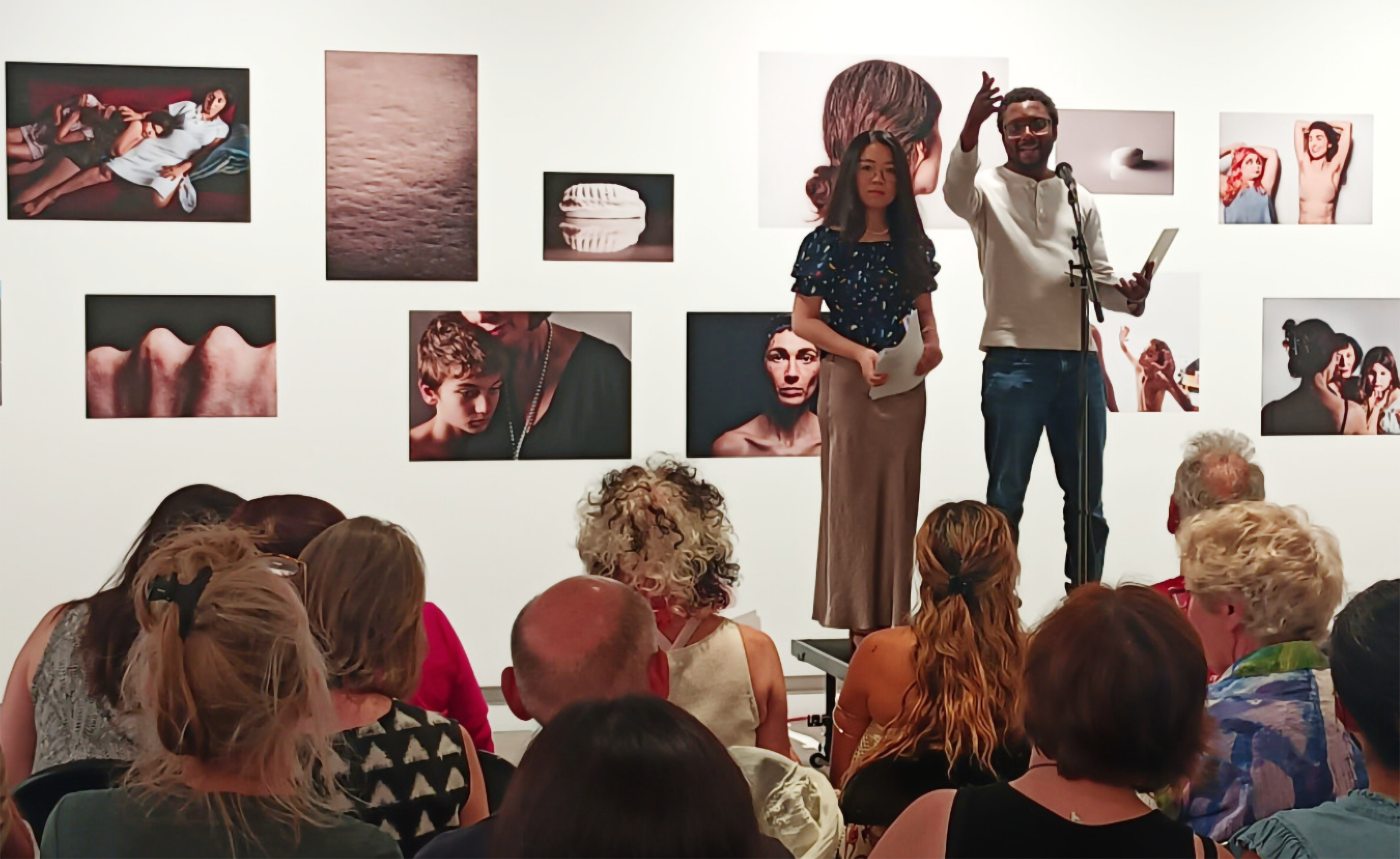
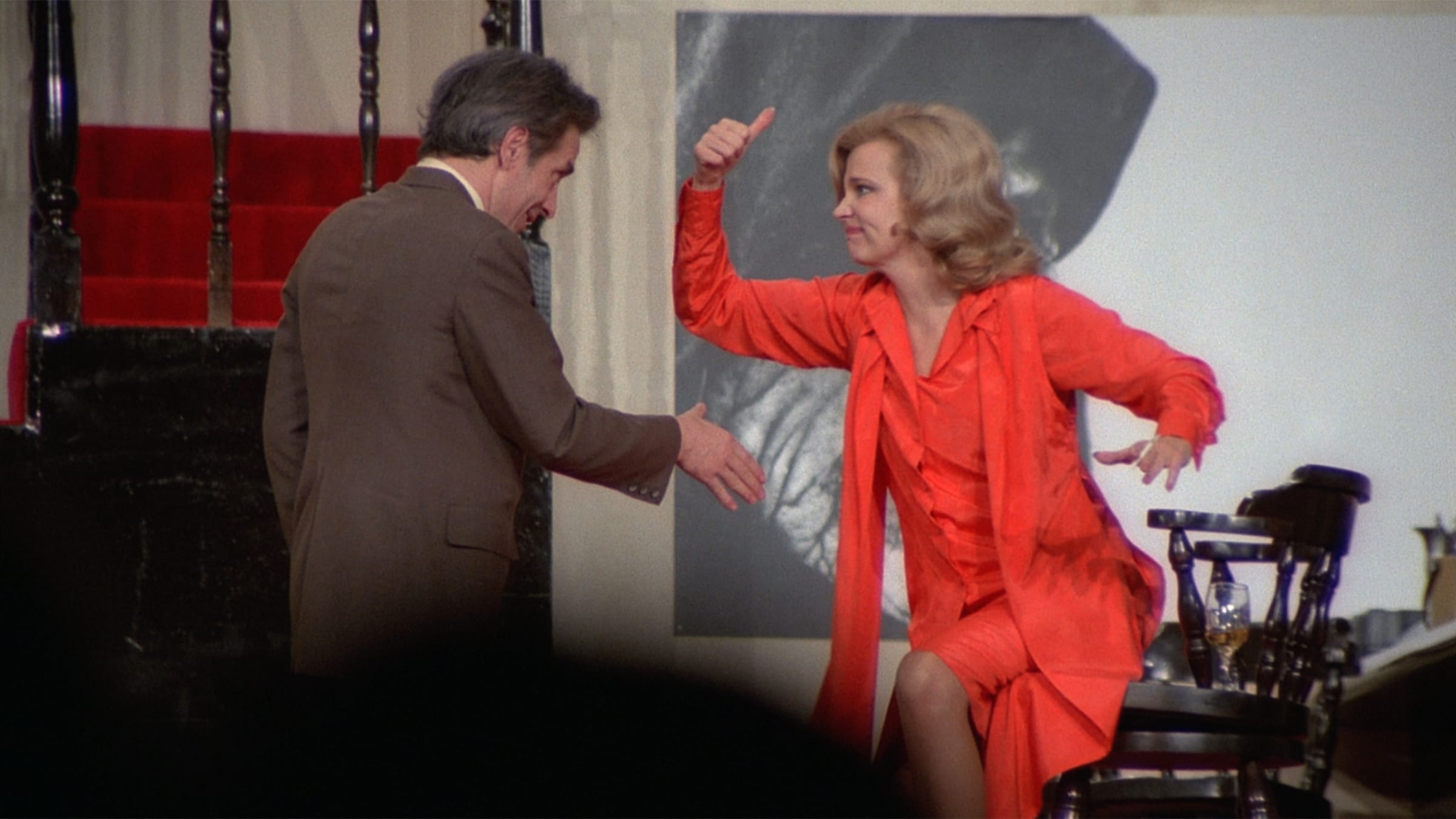
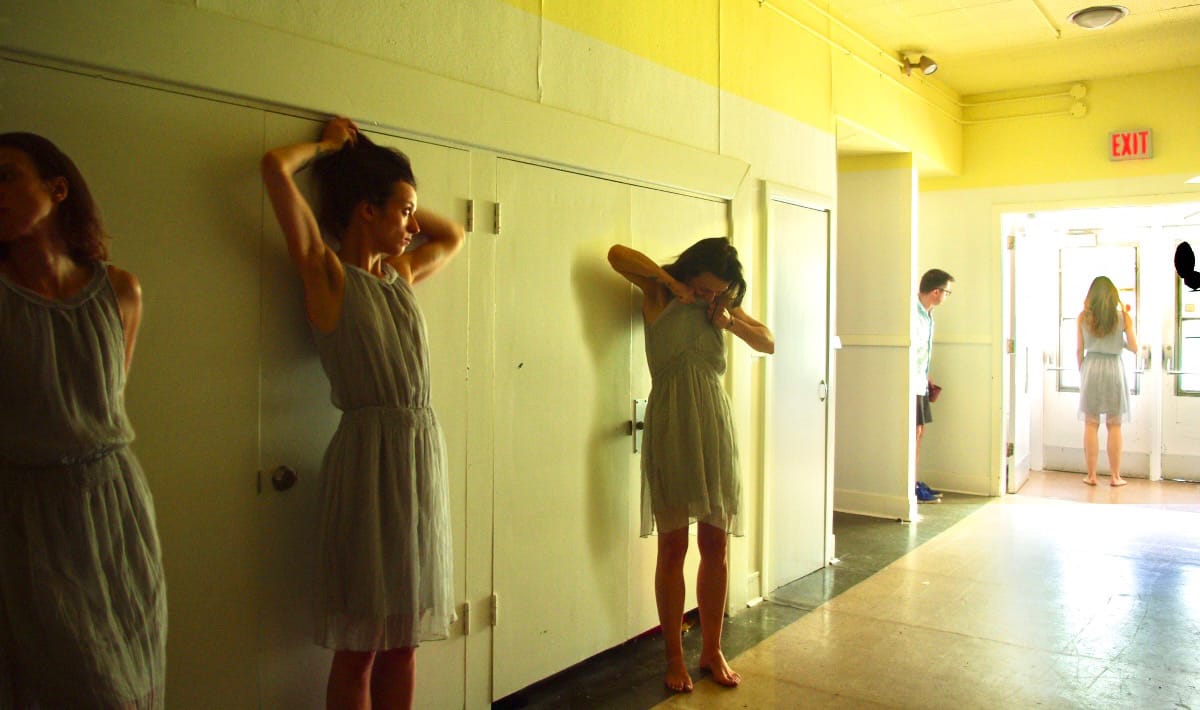
Actor, producer, and director Alon Nashman discusses World Play, an ongoing series of readings performed in multiple languages around a theme, and the pleasures of deep listening.
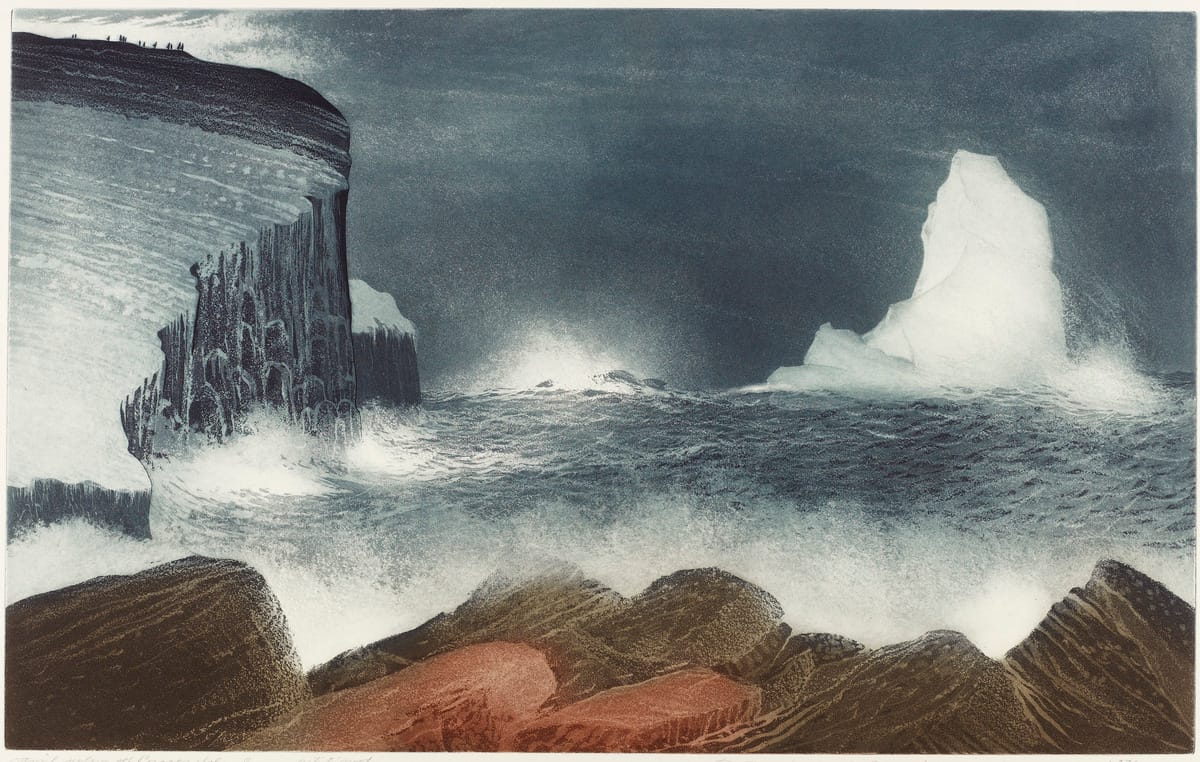
Patrick Pittman on David Blackwood’s lifelong devotion to the stories and storms of Newfoundland—and the fragile work of keeping a place, and its ghosts, from slipping away.
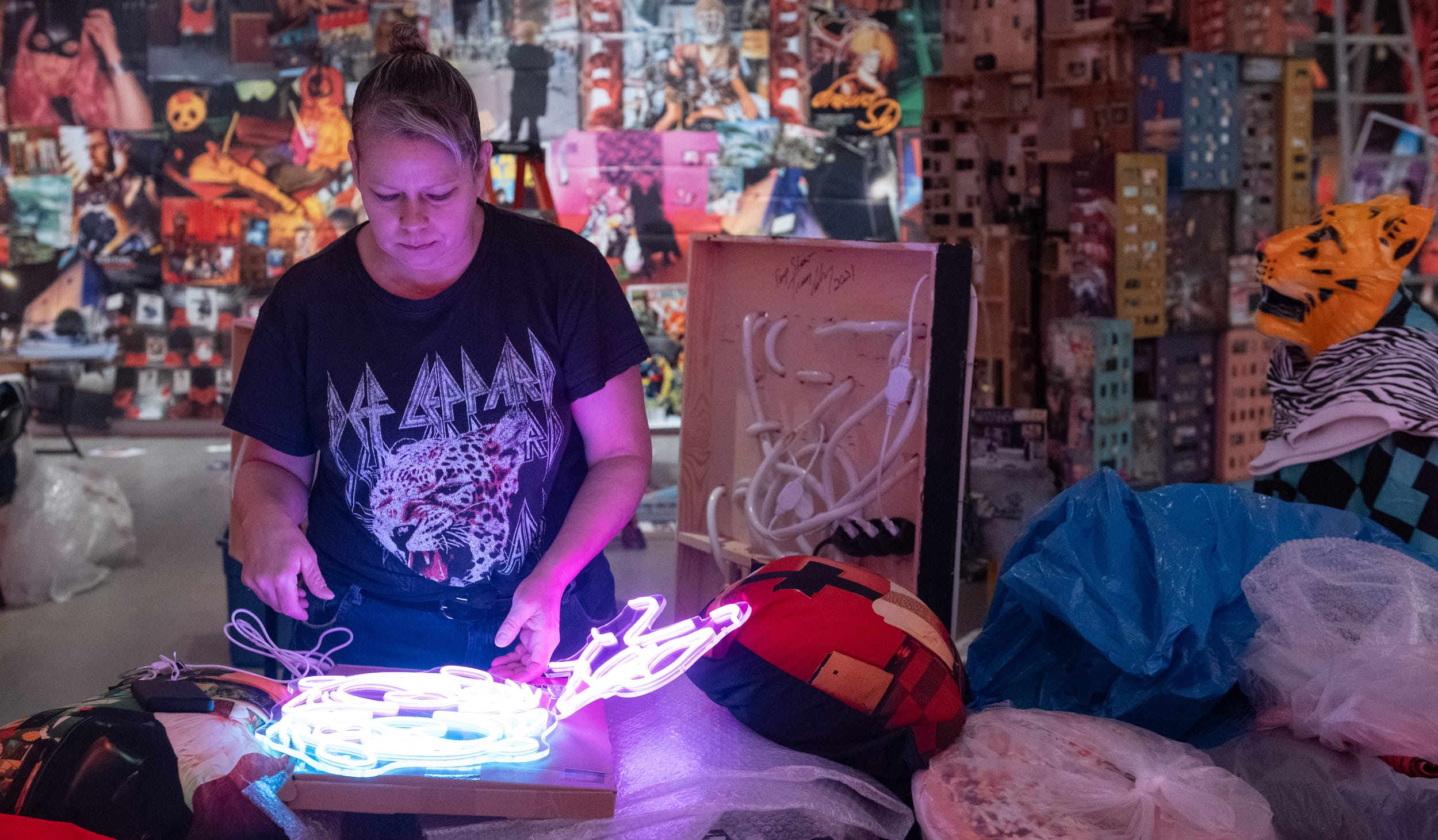
In conversation with Arcade, writer Shawn Micallef wonders whether Toronto really wants to be a city, and applies the lens of psychogeography to Tracey Snelling’s art.
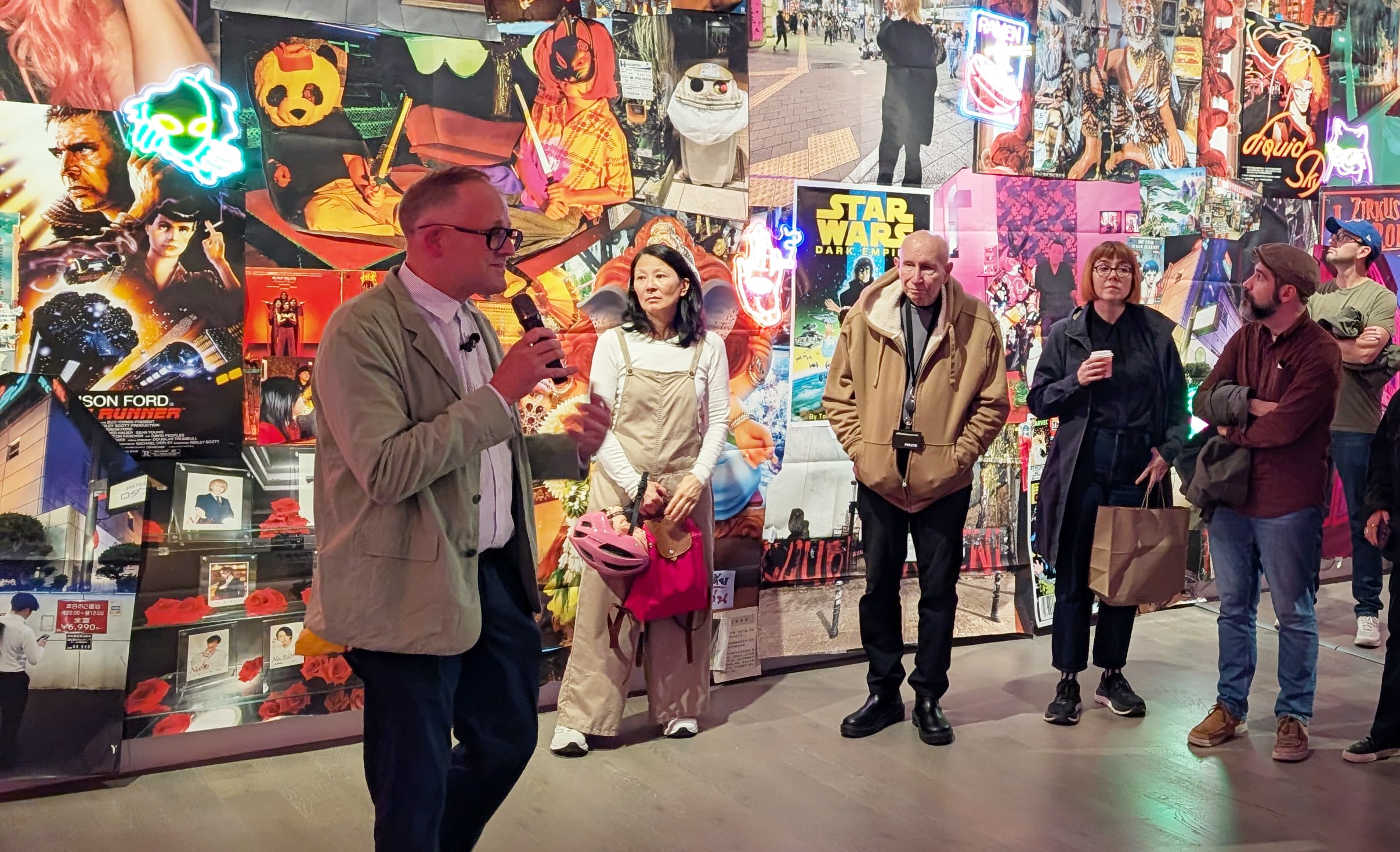
Often blurring the line between documentary and dreamscape, Tracey Snelling’s sculptures, installations, and other works—now showing at Koffler Arts—cast the viewer in the role of voyeur.
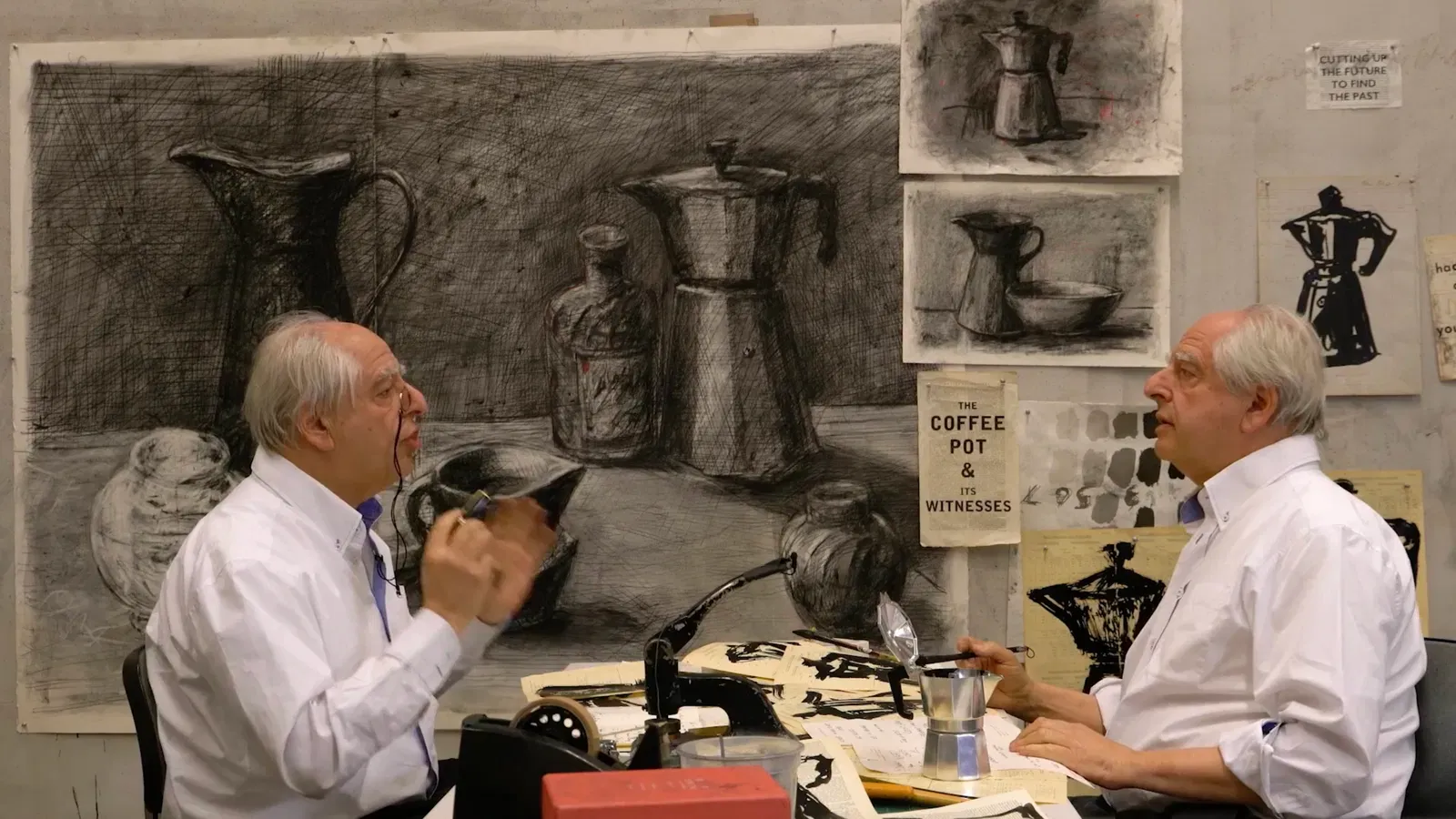
In a conversation with Eleanor Wachtel presented by Koffler Arts and the Canadian Opera Company, William Kentridge discusses a career marked by indeterminacy, shadows, and restless energy, where drawing is at the heart of his work.
Tia Glista unravels the Möbius strip of narrative in Catherine Lacey’s latest book—a hybrid of memoir and fiction, about a recent break-up and an earlier loss of faith—and reflects on her own break with God, and what faith means in the first place.
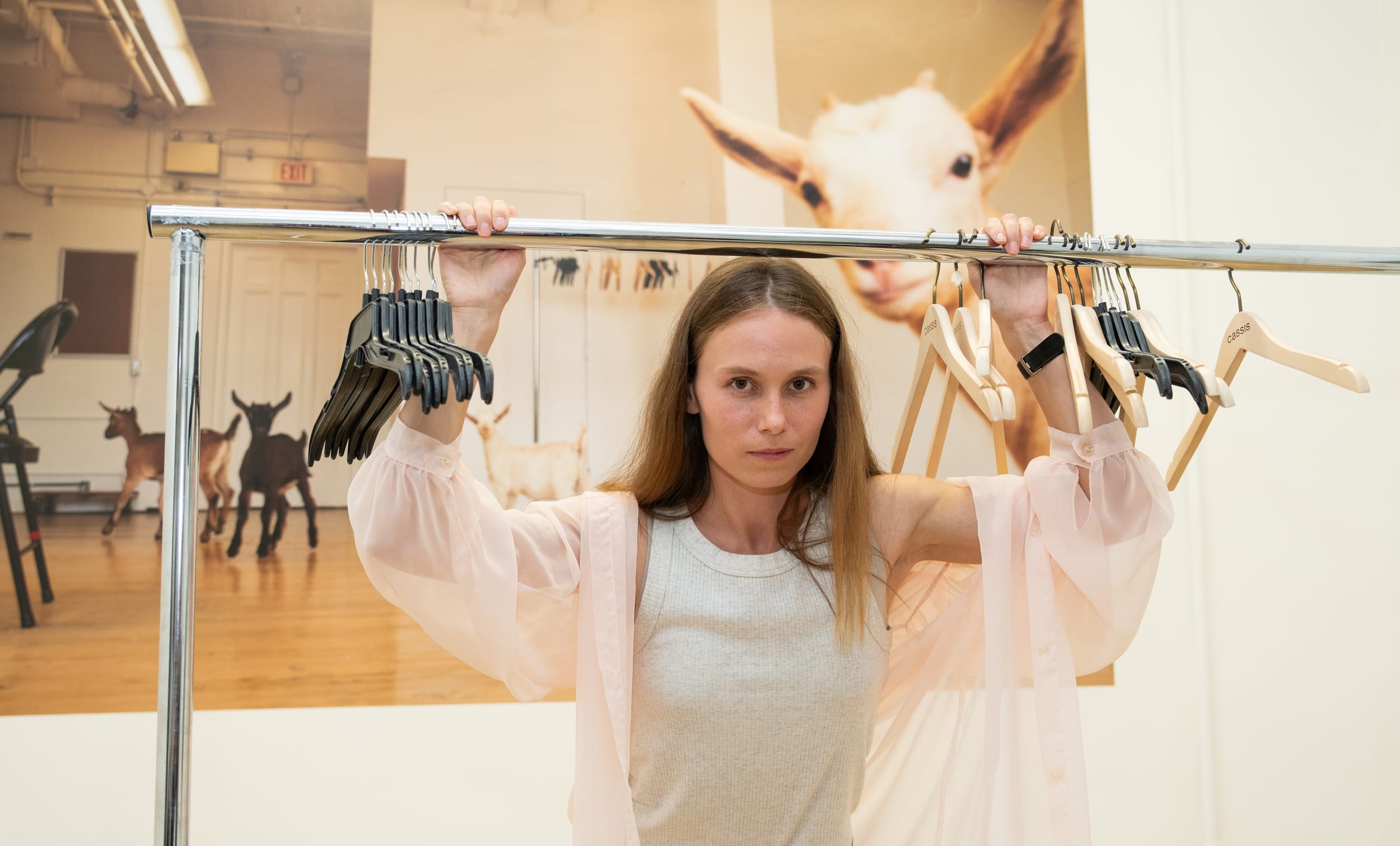
In Koffler301’s inaugural exhibition, Sage Szkabarnicki-Stuart uses goats, pigeons, and plastic bags to strange, slapstick effect, blurring the boundary between the mundane and the magical.
In No Fault, Haley Mlotek searches for the language of love’s quiet undoing—from grief to the unexpected grace that comes with choosing to leave a marriage. Patrick Pittman traces what happens when cultural expectations, legal reform, and literary form converge in the finality of divorce.
Maybe true artistic freedom isn’t about about perseverance, but knowing exactly when to stop. Jowita Bydlowska reflects on the decision by her mentor and friend Barbara Gowdy to quit writing.